The Heirloom
Read the house note
Some objects are owned. A few are carried — and then handed on. The heirloom watch is the rarest kind of possession: from the day you buy it, it is already someone else’s future. Choose it the way you’d choose a sentence you want read aloud at your funeral: with care, and without embarrassment.
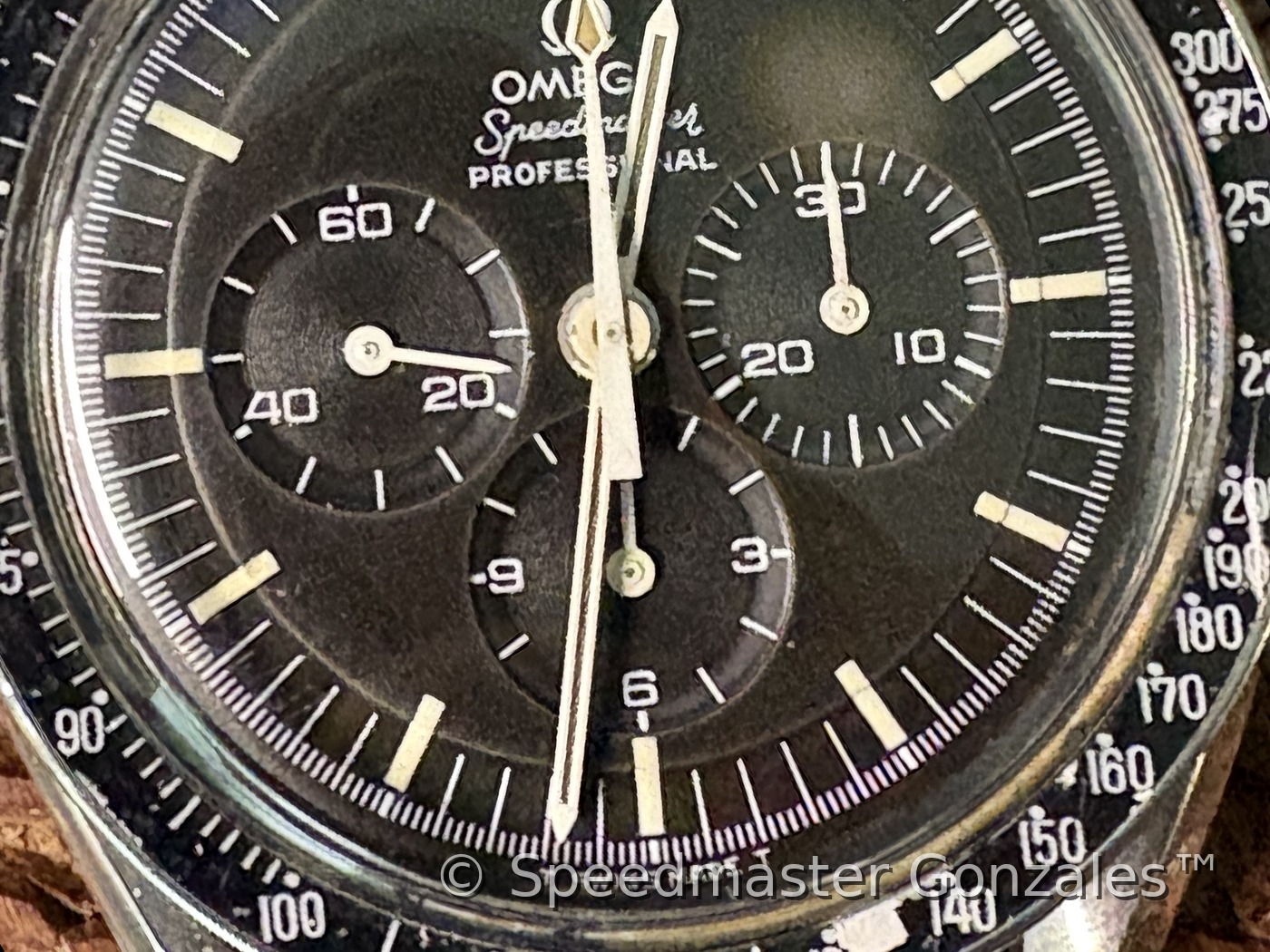
Wind it. Wear it hard. Let it gather the small scars that will one day be the only biography your grandson can hold in his hand. Patina is not damage. It is evidence — the proof that a life happened here, on this wrist, before his. That is how a man carries his people forward: not in a safe, but on a wrist, every single day, until the wrist changes and the watch does not.
At the table — Rich and Marlowe
Tonight at this table — sparked by the price twins in this week's market report
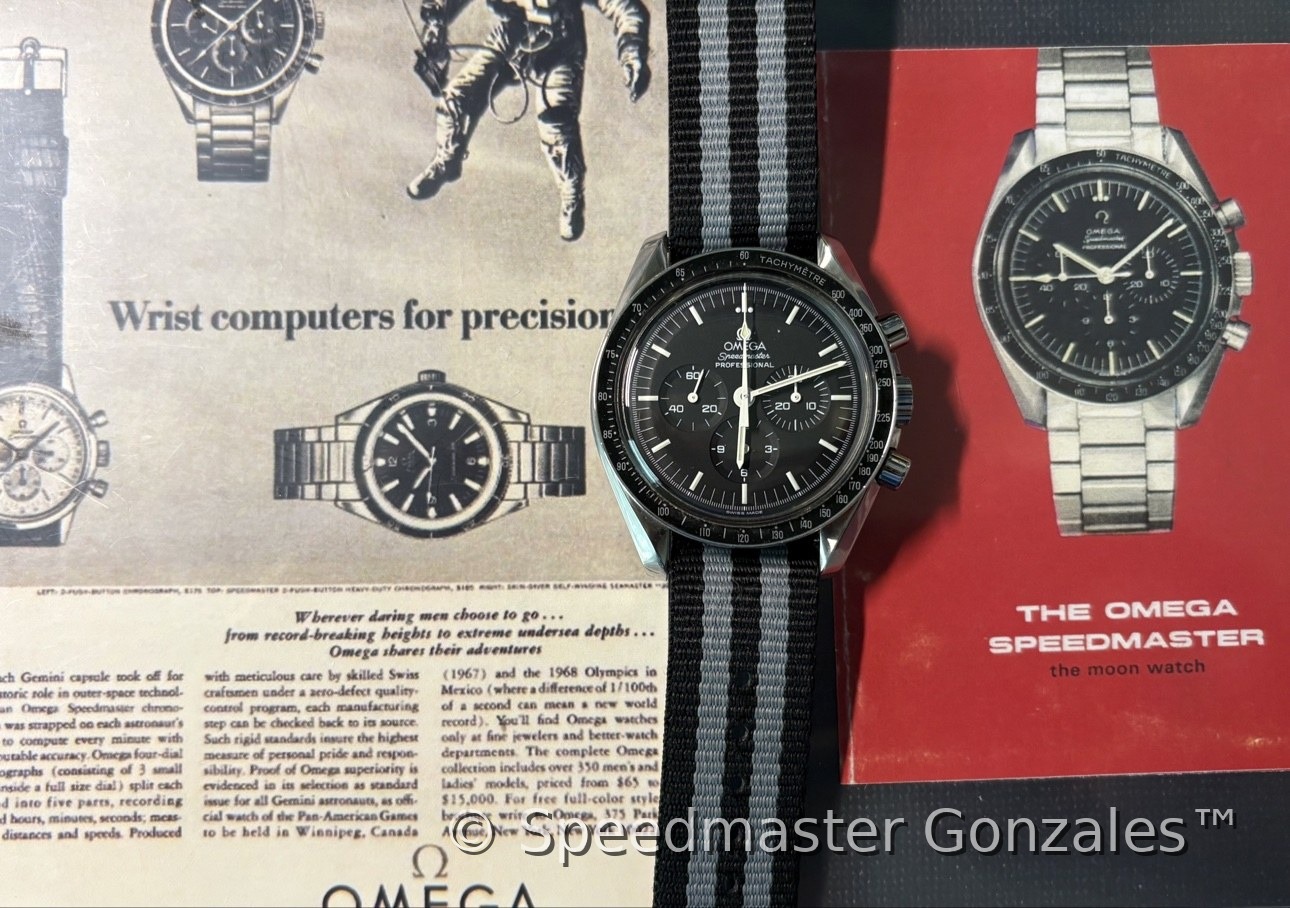
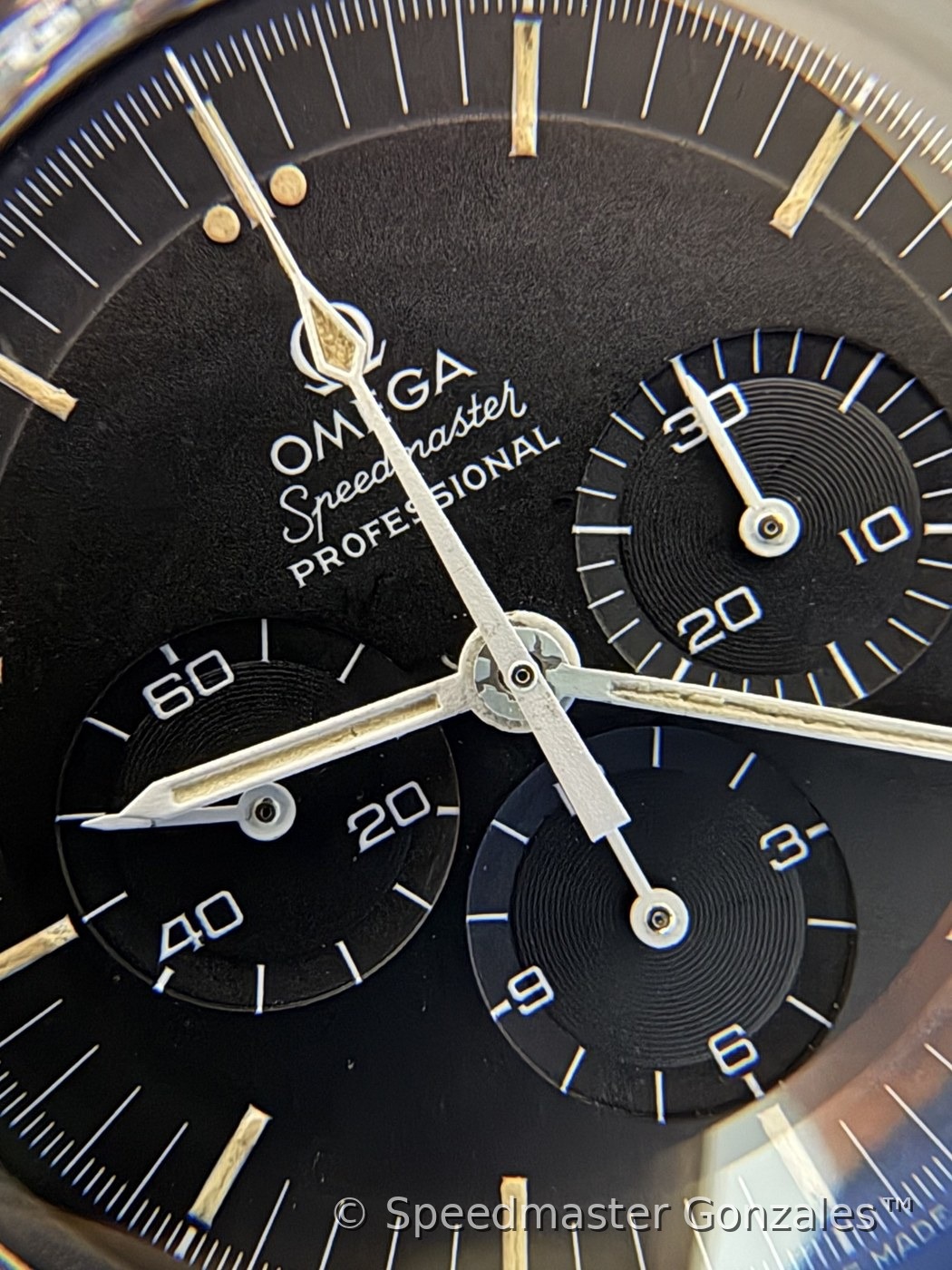
Marlowe: Two verified sales this week. A 1968 145.012 and a 1969 Straight Writing — forty-eight forty and forty-eight twenty-seven. Thirteen dollars apart, two auction houses, two continents. You're going to tell me that's a coincidence.
Rich: Watch Collecting, Hong Kong, October 6th. Bruun Rasmussen, Copenhagen, October 8th. Two different references, two different buyers — and the market lands within thirteen dollars. That's not coincidence. That's an anchor.
Marlowe: An anchor for what? The honest middle? Meanwhile the Ultraman at twenty-nine nine-fifty never sold.
Rich: It never sold. The “sale” fell through and the watch is back live at twenty-nine nine-fifty asking. Asking is theater — the only numbers that held up this week were the ones under the hammer.
Marlowe: So the honest money is in the middle. The watches people actually wear.
Rich: The middle of the market is where wrist time happens. The trophy sits; the companion moves. Forty-eight hundred dollars, twice in two days — that's the market writing the heirloom chapter for us.
Your turn — Thirteen dollars apart — verdict or coincidence?